

So this is the honest version. The apps that actually work, the sublet scams that will empty your bank account, and the handful of questions that have saved me from a genuinely bad year more than once. If you are staring down a room search right now, take a breath. It is doable. You just have to go in with your eyes open.
First, decide what you are actually looking for
Before any app, one gut check. Are you looking for a person, or are you looking for a room with a person attached? Those are different searches and pretending otherwise is how people end up miserable by October.
 upper-west-side-2769.jpg
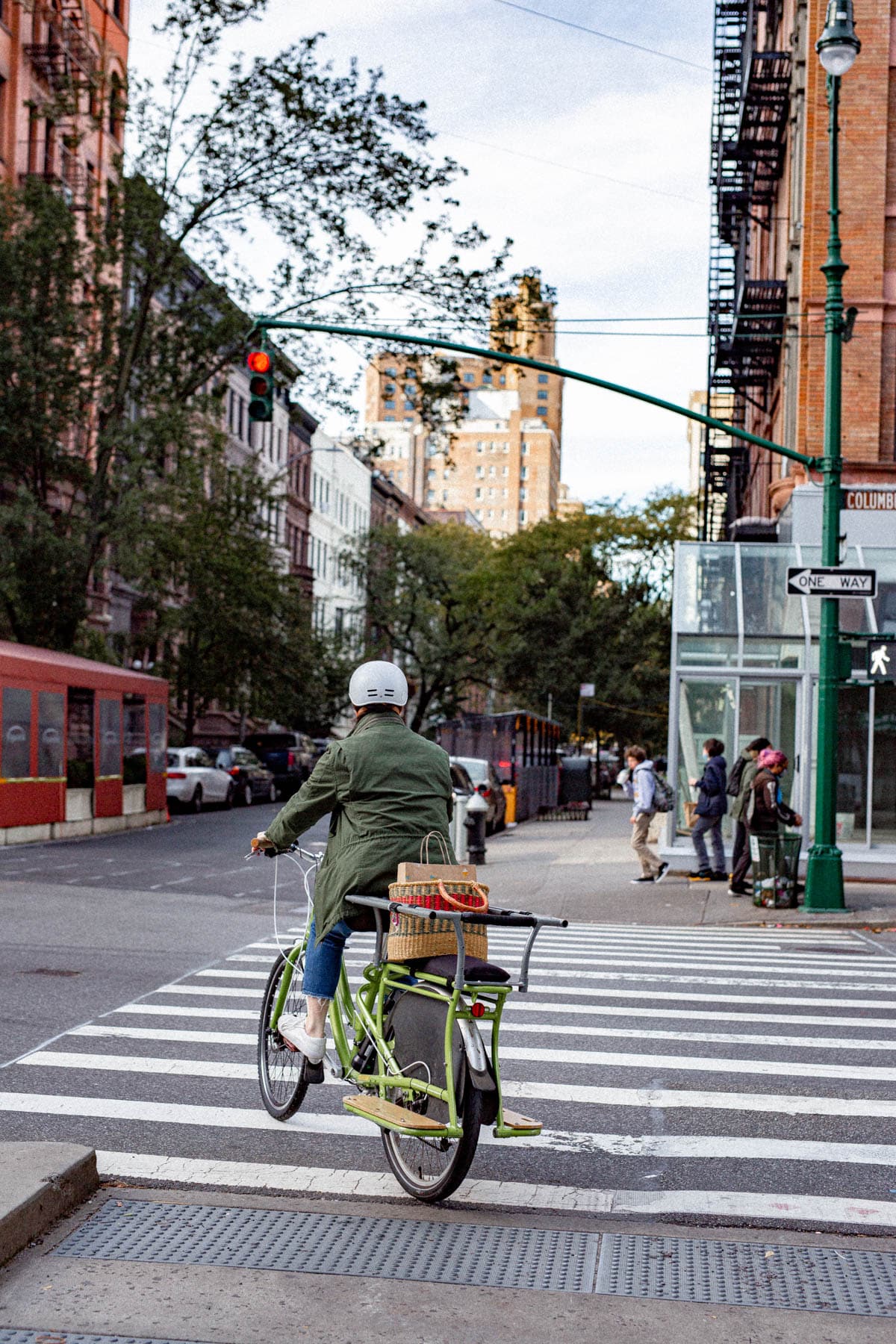
Upper West Side
If you want a real cohabitant, someone you will cook near and share silence with, you are hunting for compatibility first and square footage second. If you mostly want a cheap place to sleep and you already have your social life sorted, you can be far more transactional about it. Neither is wrong. But be honest with yourself, because the platforms are built around one or the other, and using the wrong tool for your goal wastes weeks.
One more thing before you scroll a single listing. Know your number. New York landlords still overwhelmingly want to see that a household earns about 40 times the monthly rent, and if you are splitting a place, your share of that math matters. I get into the full income breakdown in my guide on how much it actually costs to live in NYC in 2026, and I would read it before you fall in love with a room you cannot actually qualify for.
The apps that actually work
I have used most of these, either for myself or alongside friends deep in a search. Here is where they earn their keep and where they do not.
SpareRoom
If you make me pick one, this is it. SpareRoom has been around since 2004 and it is the platform most New Yorkers actually cycle through when they need a room or a roommate. The listings are dense, they refresh constantly, and the mix of people is genuinely broad, not just recent grads and not just finance bros. There is also an active SpareRoom NYC group floating around Facebook that pulls from the same crowd, which is handy when you want a faster, messier feed.
The catch. Because it is the busiest, it is also the most competitive. Good rooms move in a day, sometimes an afternoon. If you are not ready to reply within an hour with a real message and your basics, you will lose the good ones to someone who was. Set your alerts and treat it like a part-time job for the two weeks you are searching.
Diggz
Diggz started right here in New York back in 2014 and it leans hard into matching. It runs your preferences through an algorithm and ranks people it thinks you will actually get along with, which is a nicer experience than scrolling an endless wall of strangers. If your priority is the person and not just the price, start here. It has since spread to dozens of other cities, so if you or a roommate is coming or going from another town, it travels.
My honest gripe. Matching platforms can feel a little thin in specific neighborhoods, so if you are locked into one exact block, the pool may be smaller than SpareRoom’s. Use it in parallel, not instead.
Roomster
Roomster’s selling point is verification. Profiles go through ID and address checks before they show up in search, which raises the floor on who you are talking to. In a city where sublet fraud is a genuine sport, that friction is a feature, not a bug. It is not the prettiest app I have used, but I will take a little clunkiness in exchange for fewer ghosts.
 west-village-brownstones.jpg
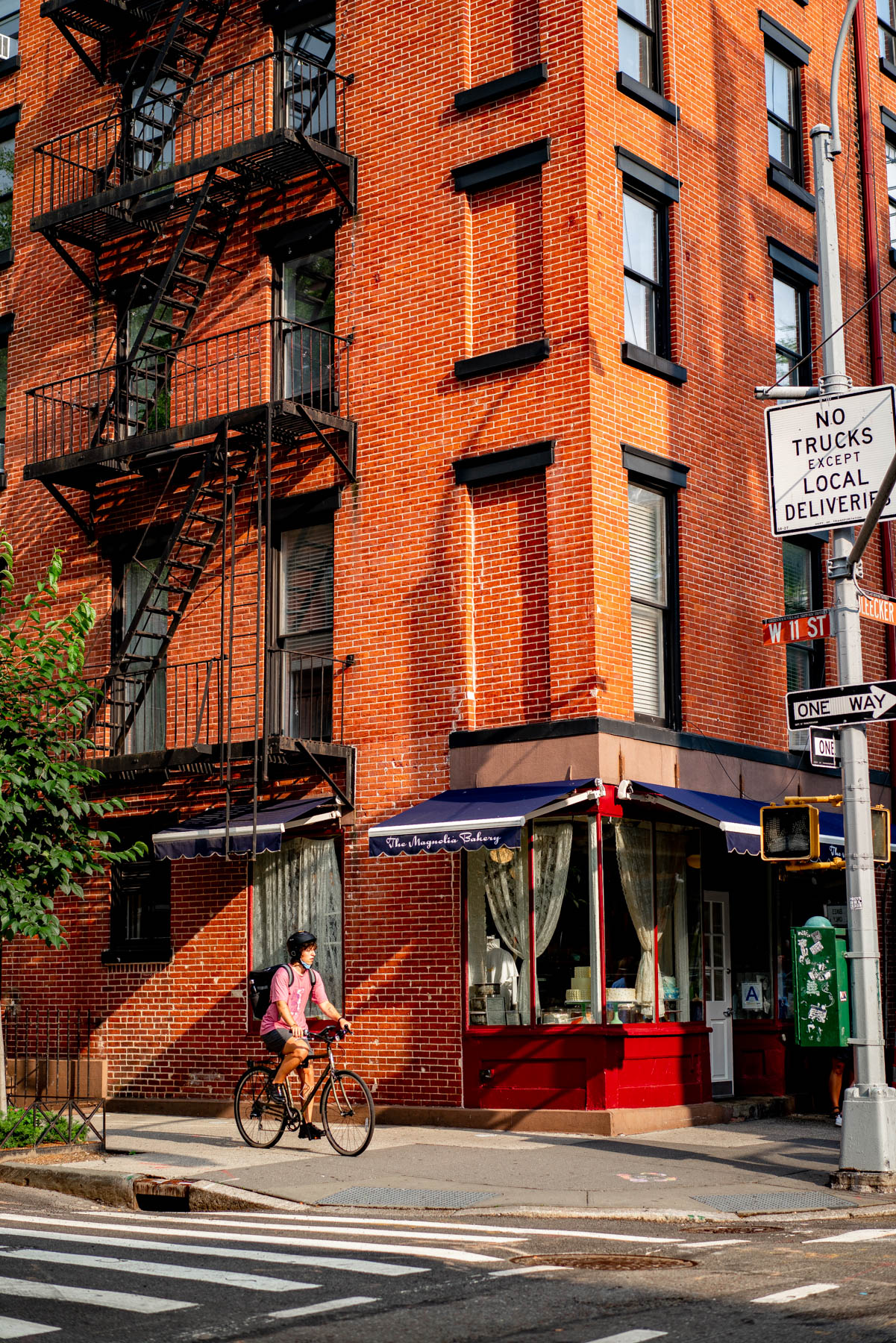
Magnolia Bakery · West Village
The Listings Project
This one is my quiet favorite, and it is not really an app at all. The Listings Project is a free weekly email that lands every Wednesday morning, full of vetted rooms, sublets, and shares, with a bent toward artists and creative folks. It has been running for over twenty years and the tone is completely different from the app grind. Calmer. More human. The kind of place where a listing reads like an actual person wrote it, because one did.
The tradeoff is speed and volume. It comes once a week, so it is not where you go if you need a room by Friday. But if you have a little runway and you want to live with people who take some care about how they live, sign up and start reading it early. Some of the best living situations I have watched friends land came out of that email.
Facebook groups and Craigslist
Still alive, still useful, still a minefield. Facebook housing groups move fast and skew younger and artier, and you can find a great room in one. Craigslist is the oldest game in town and occasionally still delivers. But both are essentially unmoderated, which means the ratio of scams to real listings is higher than anywhere else on this list. Use them, but use them with the full skeptic hat on, which brings me to the part that actually matters.
 dearest-nyc-1003176-1.jpg
Central Park · Central Park
The sublet scams, and how they actually work
I want to be plain here because this is where people lose real money. Every rental cycle, a wave of scams runs through this city, and they are not clever so much as they are consistent. Learn the shape of them once and you will spot the next one in thirty seconds.
The remote landlord. The listing is gorgeous and the price is too good. When you ask to see it, the “owner” explains they have moved abroad, or been deployed, or relocated for work, and they cannot show it in person. But they will happily mail you the keys the moment you send a deposit. This is a scam. Full stop. No exceptions I have ever seen. A real person with a real room can get you inside, or at minimum onto a live video walkthrough where you control what they point the camera at.
The irreversible payment ask. Watch how they want to be paid. Wire transfer, Zelle, Venmo, Cash App, gift cards, crypto. What all of those share is that once the money is gone, it is gone, with no bank in the world able to claw it back. A legitimate sublet or lease takes a check or goes through a broker or a platform with some kind of paper trail. If someone needs you to wire funds to hold a room you have not stood inside, walk away. I do not care how charming the messages are.
The too-cheap listing. Learn the going rate for the neighborhood you want before you look, so your gut calibrates. If a room is running twenty or thirty percent under everything comparable around it, that is not your lucky break, that is bait. Scammers also love lifting professional real estate photos and slapping them on a suspiciously cheap listing, so a studio that looks like a magazine spread at a fraction of market rent should make you more suspicious, not less.
The deposit before the viewing. Any version of “send a deposit to hold your spot” or “I’m building a waiting list, first to pay gets it” before you have seen the place is the scam wearing a slightly different coat. No honest sublessor asks for money before you have walked the apartment. None.
The pressure clock. “Someone else is about to send a deposit.” “I need an answer tonight.” Urgency is the oldest manipulation there is, and while good rooms genuinely do move fast, a real person will still let you see the place first. Scammers weaponize the very real anxiety of the New York housing market against you. Recognize the feeling and slow down on purpose.
Here is the underlying rule that covers all five. Never pay for anything you have not seen, to a person you cannot verify, through a method you cannot reverse. If you hold that line, you are already ahead of most people searching this week.
 brooklyn-heights-promenade.jpg
Brooklyn Heights
The questions that save you a year
Say you have found a real room, in a real apartment, with a real human. Congratulations, now comes the part everyone skips and later regrets. The interview. You are choosing a person you will share a bathroom and a lease and a lot of ordinary evenings with. Ask like it matters, because it does.
These are the ones I actually ask, and the ones I wish I had asked earlier in my twenties.
- What time do you usually go to bed and wake up? Sounds trivial. It is not. A night-owl and an early riser sharing a thin wall is a slow-motion feud. Match your rhythms or at least know the gap going in.
- How do you feel about guests and partners staying over? Ask directly. “Sometimes” means different things to different people, and “my partner is basically here five nights a week” is a fourth roommate you did not agree to. Get the real number.
- How does the apartment split bills, and what happens when someone is late? You want to hear a system, not a shrug. Who holds the lease, who pays the landlord, how utilities get divided, what the move-out notice looks like. Vagueness here is a preview of every future fight.
- Who cleans, and how often? The messiest possible answer is “oh we just kind of handle it.” No you do not. Someone always ends up doing more, and if standards do not match, resentment does the rest. Ask what “clean” means to them, specifically.
- Why is the current person leaving? Listen closely to this one. “Moving in with a partner” is fine. A long pause, or vague grumbling about the other roommates, is information. If you can, ask to speak to the person actually moving out, not just the one showing you the room.
- Are you on the lease, and can I be? This is the boring legal one that protects you most. Find out if your name goes on the lease, if you would be a subtenant, or if the arrangement is something murkier, because your status determines your rights if things go sideways. If nobody can give you a straight answer about the lease, that is its own red flag.
None of these are confrontational. They are just specific, and specificity is what separates a roommate situation that works from one you are quietly plotting your escape from by Thanksgiving. If someone bristles at plain questions about sleep, guests, money, and cleaning, you have learned everything you needed to learn.
 nyc-1003857.jpg
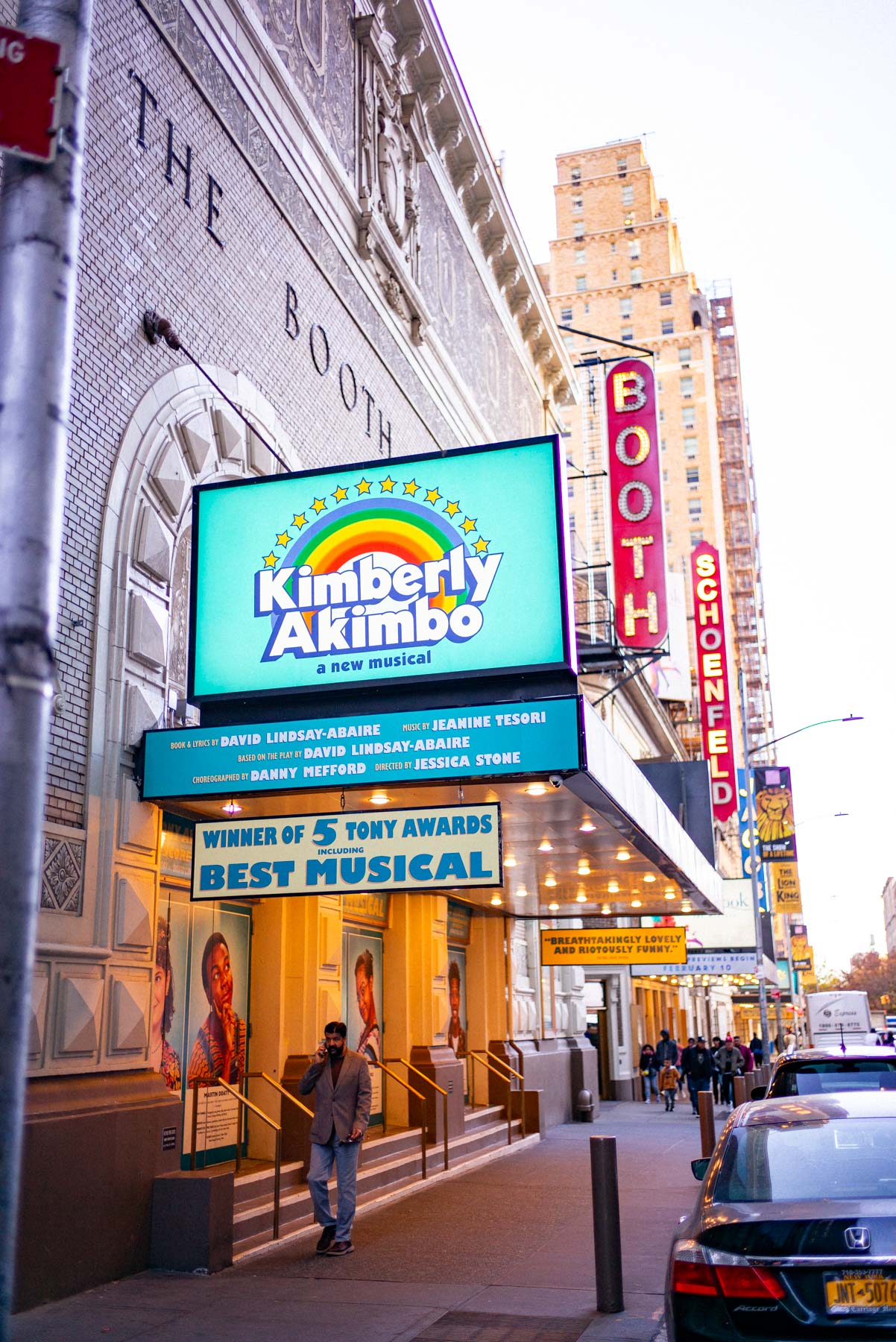
Booth Theatre · Theater District
A few hard-won extras
See the room in person before you commit, in daylight if you can. Photos lie, and so does flattering evening light. Run the tap and check that the hot water actually gets hot. Notice the noise, from the street and the neighbors, because a room that is charming at 2pm can be a nightmare at 2am.
Meet everyone who lives there, not just the one showing you around. The roommate you never met at the tour is the one you will have the problem with. And trust the small feeling in your stomach. I have overridden that feeling for a good price and regretted it every single time. The rent you save is never worth the year you lose.
One honest thing to skip. Do not obsess over finding your future best friend. Some of my best living situations were with people I liked plenty but never became close to, and that was completely fine. A considerate stranger who pays on time and respects the shared space beats a charismatic mess every day of the week. Compatibility as roommates and compatibility as friends are not the same thing, and confusing the two has led more than one person I know into a bad lease.
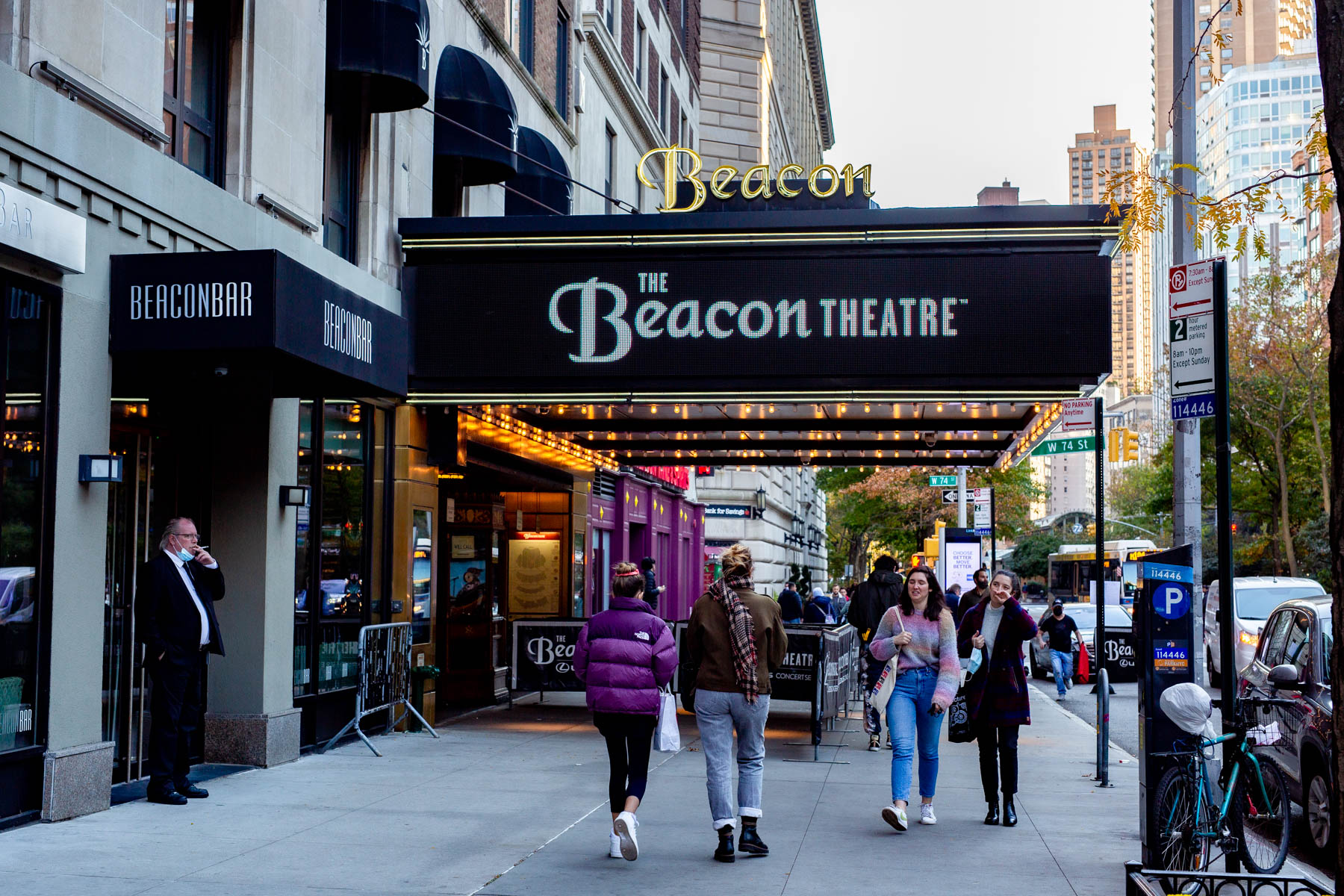 uws-3556.jpg
Beacon Theatre · Upper West Side
Where to go from here
If you are earlier in the process and still figuring out the apartment itself, not just the person in it, I have written the parts that come before and after this one. Start with the honest survival guide to renting your first NYC apartment for the paperwork and the pace of it all, and read what nobody tells you before you sign a lease so the fine print does not blindside you. If your search is neighborhood-driven and you are weighing where to actually plant yourself, my honest guide to what Williamsburg is actually like now is the kind of ground-truth I wish I had before I picked my first block.
Finding a roommate in this city will test your patience. It will also, if you do it right, hand you one of the strangest and best parts of living here, which is building a small shared life with someone who started as a stranger. Ask the boring questions. Never wire the money. See the room in daylight. The rest tends to work itself out.
Until next time,
Antonina
SpareRoom is the platform most New Yorkers cycle through because it has the most listings and the broadest mix of people, though good rooms move within a day. Diggz is the better pick if you care most about personality compatibility, and Roomster is worth it for its ID and address verification. The free weekly Listings Project email is a calmer, more human option if you have a little runway.
The clearest signs are a landlord who cannot show the place in person because they are traveling or deployed, any request to pay by wire, Zelle, Venmo, gift card, or crypto, a price twenty to thirty percent below comparable rooms, a demand for a deposit before you have seen the apartment, and heavy pressure to decide immediately. Never pay for a place you have not seen, to a person you cannot verify, through a method you cannot reverse.
Ask about sleep and wake schedules, how they feel about overnight guests and partners, exactly how bills are split and what happens when someone is late, who cleans and how often, why the current roommate is leaving, and whether you can be on the lease. Specific questions about sleep, guests, money, and cleaning reveal far more than a general vibe check.
Not necessarily. A considerate person who pays on time and respects shared space makes a better roommate than a charismatic one who does neither. Compatibility as roommates and compatibility as friends are different things, and treating them as the same has landed plenty of people in a lease they regret.