

That was the day I stopped asking “can we afford $2,500 in New York” and started asking the only question that actually matters here. What does $2,500 get you, and what are you trading away to get it?
Because that’s the real math. Here is what the listings won’t tell you: $2,500 a month lands right around the median for a one-bedroom across the city now. A hair under it, actually. The citywide median for a one-bedroom crossed $4,000 for the first time ever back in the spring of 2026, which sounds insane, and is. But that number hides an enormous amount of variation. Two blocks can mean a $1,000 swing. A single subway line can be the difference between a windowless studio and a real one-bedroom with a door that closes.
So this is the honest, neighborhood-by-neighborhood version. Not a listings roundup. The actual trade-offs I weighed, the ones I got wrong, and where I’d put my $2,500 today if I were starting over. This one is strictly about the money, so if you care more about a neighborhood’s character than its price, I mapped it by vibe in which NYC neighborhood you should actually live in.
First, the uncomfortable citywide picture
Let me set the baseline so the neighborhood numbers mean something. As of 2026, the average Manhattan apartment rents for about $5,453 a month. A Manhattan studio averages around $4,146 for roughly 493 square feet. A one-bedroom averages $5,352 for about 716 square feet. Brooklyn is gentler but not gentle, averaging $3,953 overall, with one-bedrooms around $4,087. Queens sits near $4,005 on average, one-bedrooms around $3,838.
Read those again and you’ll see the problem. $2,500 is below the average for a studio in every borough. Which does not mean you can’t get a real apartment for it. It means you have to be strategic about geography in a way that people with $4,500 budgets never think about. Your money doesn’t just buy square footage. It buys, or fails to buy, a commute, light, a neighborhood you actually want to walk around in at 9pm, and a bedroom that’s a separate room.
Pick two of those. That’s roughly the deal at this price point. The whole game is deciding which two.
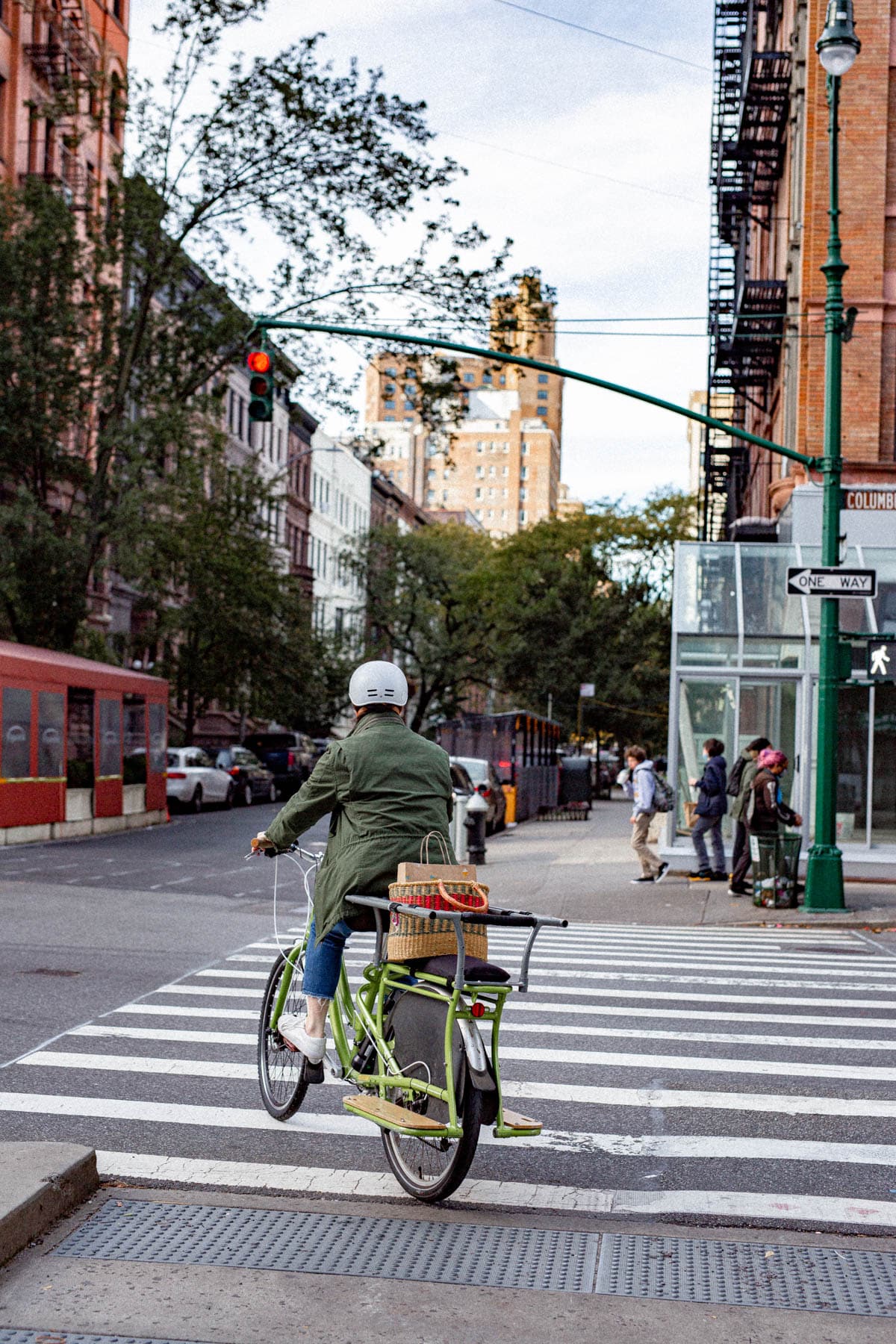 upper-west-side-2769.jpg
Upper West Side
Manhattan on $2,500. Geography is everything
People assume $2,500 is a nonstarter in Manhattan. It’s not. It just pins you to the top of the island, and honestly, that’s not the punishment people think it is.
Inwood is where the math actually works. The average rent up there runs around $2,276, the only Manhattan neighborhood where $2,500 buys breathing room instead of a compromise. You get pre-war layouts with real dimensions, sometimes a sunken living room, sometimes a foyer, which is a word most people my age have only encountered in listings. The trade is distance. You’re at the very tip of Manhattan, past the point where the island stops feeling like Manhattan and starts feeling like its own quiet river town.
Washington Heights is the compromise most people actually land on, and it averages closer to $3,211, which means at $2,500 you’re looking at a studio or a smaller one-bedroom rather than the spread you’d get in Inwood. The piece almost nobody runs the numbers on: the A train runs express through the Heights, and 181st Street to 50th Street is about 25 minutes. That’s a faster ride to Midtown than plenty of people get from deep Brooklyn while paying $700 more. The commute-versus-square-footage math quietly tilts in the Heights’ favor and almost nobody runs the numbers.
Central Harlem averages around $2,477, right at your number, and this is where I’d point a first-time New Yorker who wants to say they live in Manhattan without lying about their square footage. Brownstone blocks, real restaurants, the 2 and 3 downtown. Marble Hill, technically Manhattan but physically attached to the Bronx, is the true budget outlier at about $1,895, if you don’t mind explaining your address to everyone forever.
The honest downside of Manhattan on this budget. You’re almost certainly north of 155th Street, your kitchen may predate the moon landing, and if you work downtown, your commute is a real commitment, not a rounding error. What you get in exchange is the thing people move here for. You live in Manhattan. Some days that matters more than a dishwasher. Some days it really doesn’t.
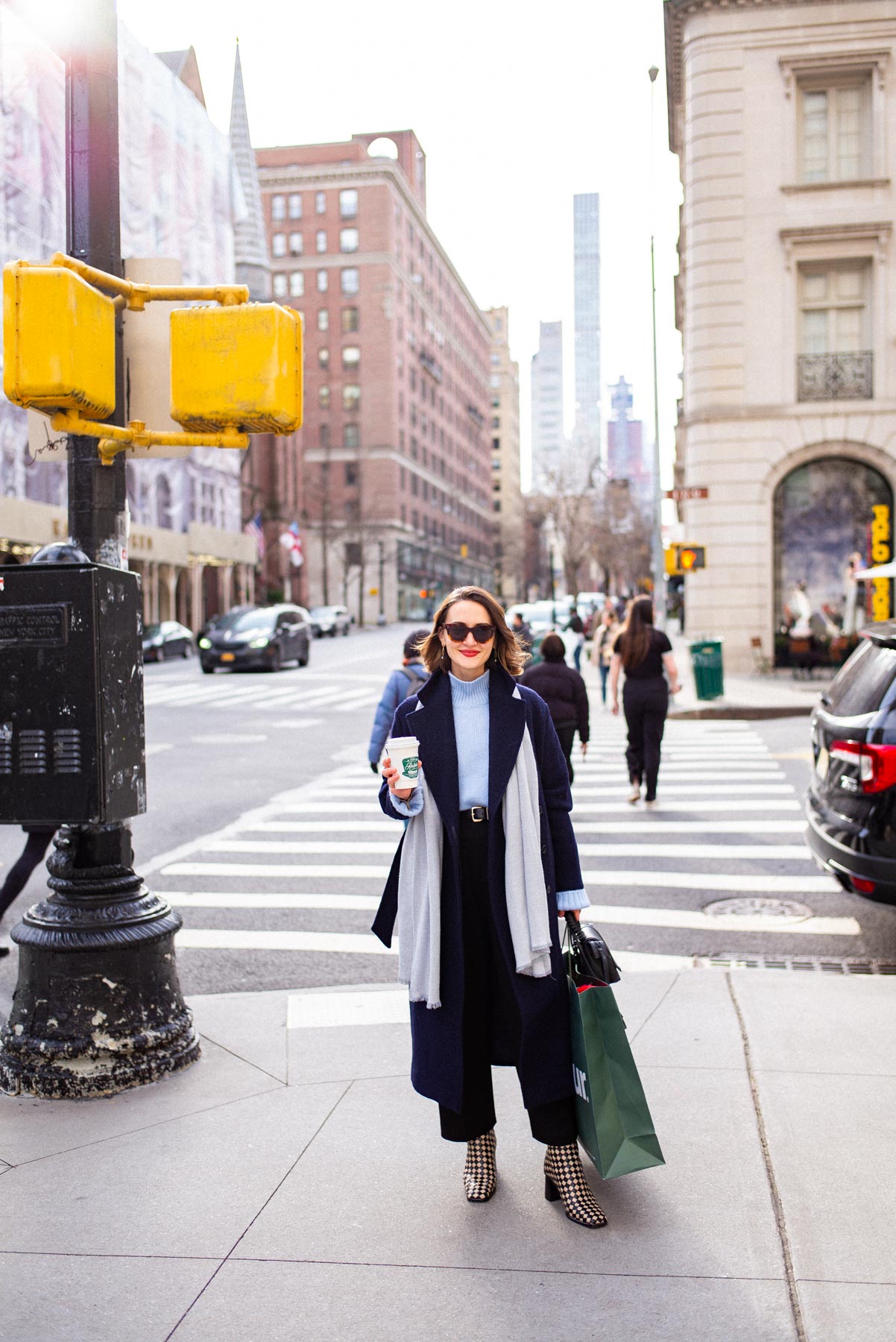 dearest-Things-to-Do-Upper-East-Side-1005751.jpg
Upper East Side
Brooklyn on $2,500. The sweet spot, if you know where
Brooklyn is where $2,500 gets interesting, because the borough is so uneven that the same budget can land you a shoebox in Williamsburg or a genuine one-bedroom with a backyard forty minutes south. The averages tell the story. Brooklyn overall sits near $3,953, but that number is dragged up by the northern waterfront and hides a whole southern half where your money stretches.
Bay Ridge is the value champion and I will die on this hill. Average rent around $1,977, which at $2,500 means a real one-bedroom, often a floor-through in a brownstone, sometimes with outdoor space, in a neighborhood with actual grocery stores and Norwegian bakeries and a waterfront promenade under the Verrazzano. The catch is the R train, the local-est local in the system. You’re looking at 45 to 55 minutes to Midtown on a good day. That’s the trade. Square footage and quiet for a commute you’ll feel in your bones every single morning.
Kensington (around $2,374) and Prospect-Lefferts Gardens (around $2,416) are the ones I’d actually chase if I were doing it again. Both sit right under your budget, both are a short hop to Prospect Park, and PLG in particular has these grand pre-war buildings with the kind of moldings and light that cost double a mile north in Park Slope. The Q and B run through it. Not glamorous, but genuinely functional to Manhattan.
Sheepshead Bay ($2,487) and Canarsie ($2,425) are the deep-south options where you get the most raw space for the money, and the fewest cocktail bars per capita. If your priority is a home office and a dishwasher over a Friday-night walkable strip, this is the trade you make.
Now the honest warning. The Brooklyn neighborhoods people actually dream about, Williamsburg, Park Slope, Cobble Hill, Fort Greene, are not on this list, and they’re not on this list for a reason. Bushwick, which used to be the affordable-cool default, now averages around $3,381. Crown Heights is over $4,100. The Brooklyn of the group-house Instagram fantasy is a $3,500-plus proposition in 2026. At $2,500 you get a wonderful, slightly-further, less-hyped Brooklyn. I’d argue that’s the better Brooklyn anyway, but I want you knowing exactly what you’re signing up for.
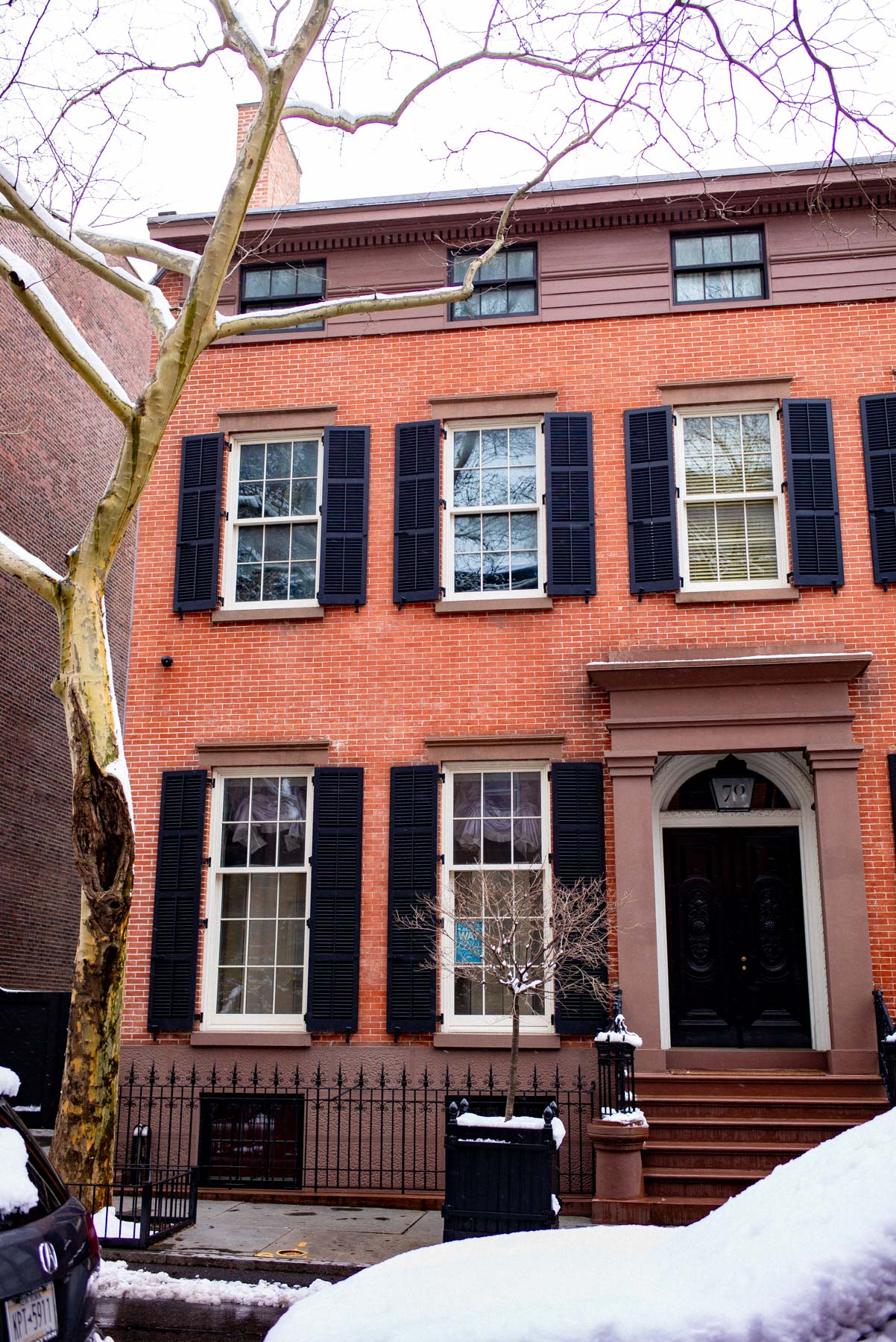 brooklyn-heights-promenade.jpg
Brooklyn Heights
Queens on $2,500. The quietly smart move
If I were handing someone their first New York apartment and I only cared about their happiness and not their zip-code bragging rights, I’d probably steer them to Queens. It’s the least romanticized borough and, at this budget, the most rational one.
Sunnyside is my pick, full stop. A one-bedroom in Sunnyside averages around $2,501 for roughly 704 square feet. Read that again. Right at your budget, for a genuine one-bedroom, with more than 200 square feet on the average Manhattan one-bedroom. And it sits on the 7 train, one stop from Manhattan, dropping you in Grand Central territory in about 20 minutes. Sunnyside Gardens is one of the prettiest residential pockets in the entire city, all low brick rowhouses and shared courtyards, and hardly anyone outside Queens knows it exists.
Jackson Heights (around $2,741) is a touch over budget but worth stretching for if the average tips your way on a given listing. It’s the most genuinely diverse square mile in America, the food is life-changing, and the pre-war co-op buildings have interior gardens that Manhattan would charge a fortune for. Elmhurst ($2,406) and Downtown Flushing ($2,202) are the budget standouts, dense and unglamorous and stuffed with the best cheap food in the five boroughs.
Astoria is the Queens neighborhood people have actually heard of, and it’s priced accordingly. One-bedrooms average around $2,909 for about 745 square feet, which puts a real one-bedroom just over your ceiling. At exactly $2,500 you’re more likely in studio-or-small-one-bedroom range in Astoria, but you’re buying into the most walkable, most social, most restaurant-dense neighborhood on this entire list. For a lot of people that’s worth the squeeze.
The Queens downside, if I’m being fair. It doesn’t photograph like Brooklyn and it doesn’t brag like Manhattan, and if you need your neighborhood to be a personality, Queens will quietly disappoint you. It just goes about being an excellent, affordable, well-connected place to live while everyone ignores it. Their loss.
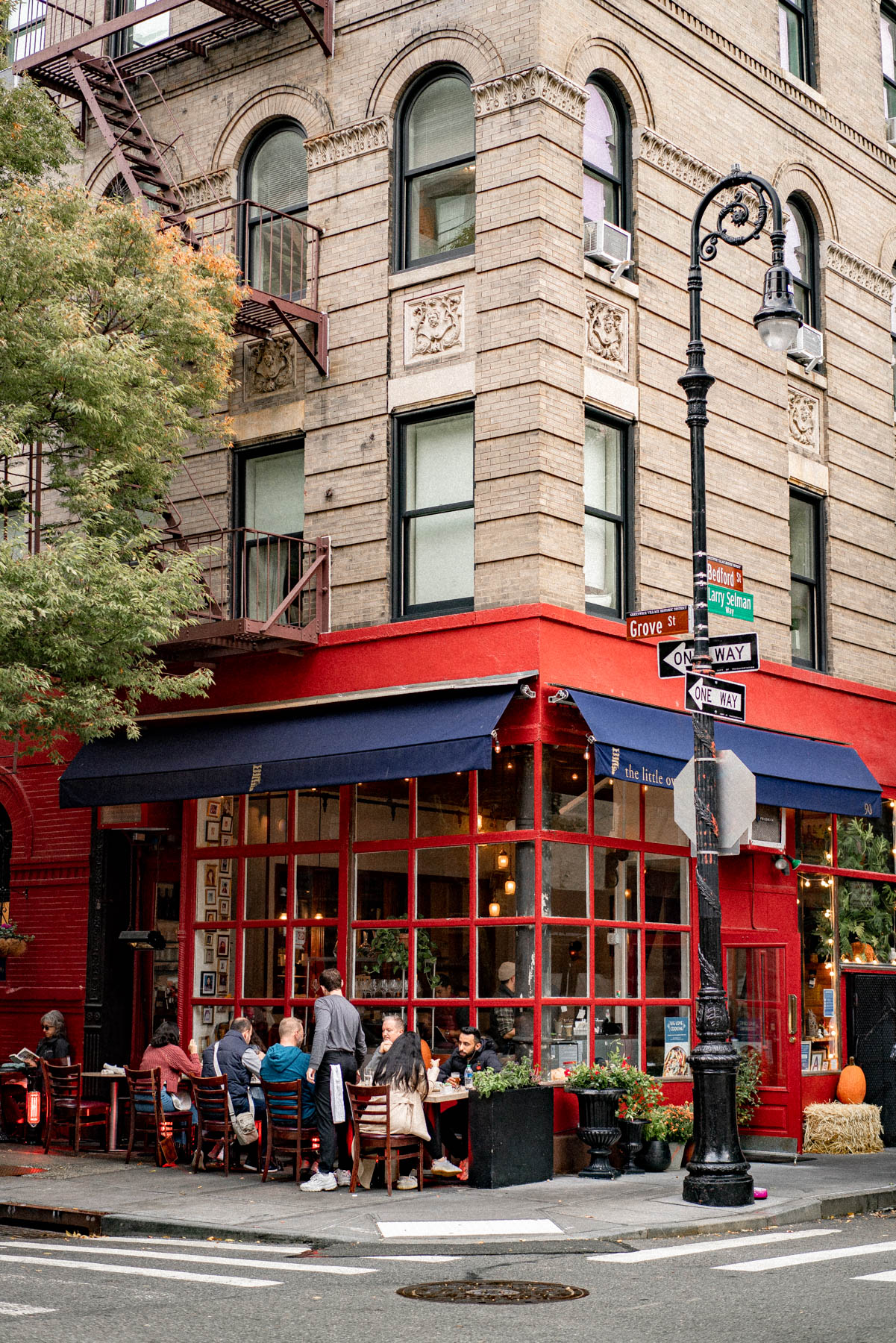 west-village-tree-lined-street.jpg
The Little Owl · West Village
The trade-off math I actually ran
Here’s the framework that finally got us out of the analysis spiral. At $2,500, you’re always trading among four things, and you cannot have all four.
Space. A $2,500 studio in Manhattan is often 400 square feet. A $2,500 one-bedroom in Sunnyside or Bay Ridge is 700-plus. That’s nearly double the apartment for the same rent. If you work from home, space isn’t a luxury, it’s your office, and the outer-borough one-bedroom starts to look less like a downgrade and more like a raise.
Commute. Every dollar you save moving outward, you tend to pay back in minutes. Washington Heights on the A express, though, quietly breaks this rule, and so does Sunnyside on the 7. Those are the two cheat codes on this whole list. Cheaper than you’d expect for how fast they get you to Midtown. If you take one thing from this post, take those two.
Neighborhood energy. Astoria and PLG have life on the street at night. Canarsie and Sheepshead Bay do not, in the same way. Neither is wrong. But know which one you are, because a great deal in a quiet neighborhood you find lonely is not a great deal.
The apartment itself. Light, layout, whether the bedroom is a real room. I’d take a smaller apartment with southern light and a real bedroom door over a bigger dark railroad flat every time. A north-facing studio our first winter taught me that.
One more piece of very unromantic math, because it trips everyone up. Most market-rate landlords in New York want your annual income to be roughly 40 times the monthly rent. For a $2,500 apartment, that’s around $100,000 a year, or a guarantor, or a couple of roommates combining incomes. If you’re going solo on $2,500, budget for that requirement before you fall in love with anything. It’s the single most common reason a New York apartment search stalls out, and no listing warns you. It belongs on the same list as all the other things nobody tells you, which I collected in the unwritten rules of NYC. I also broke down all the sneaky recurring numbers in my real monthly cost breakdown of living in NYC, because rent is only the headline.
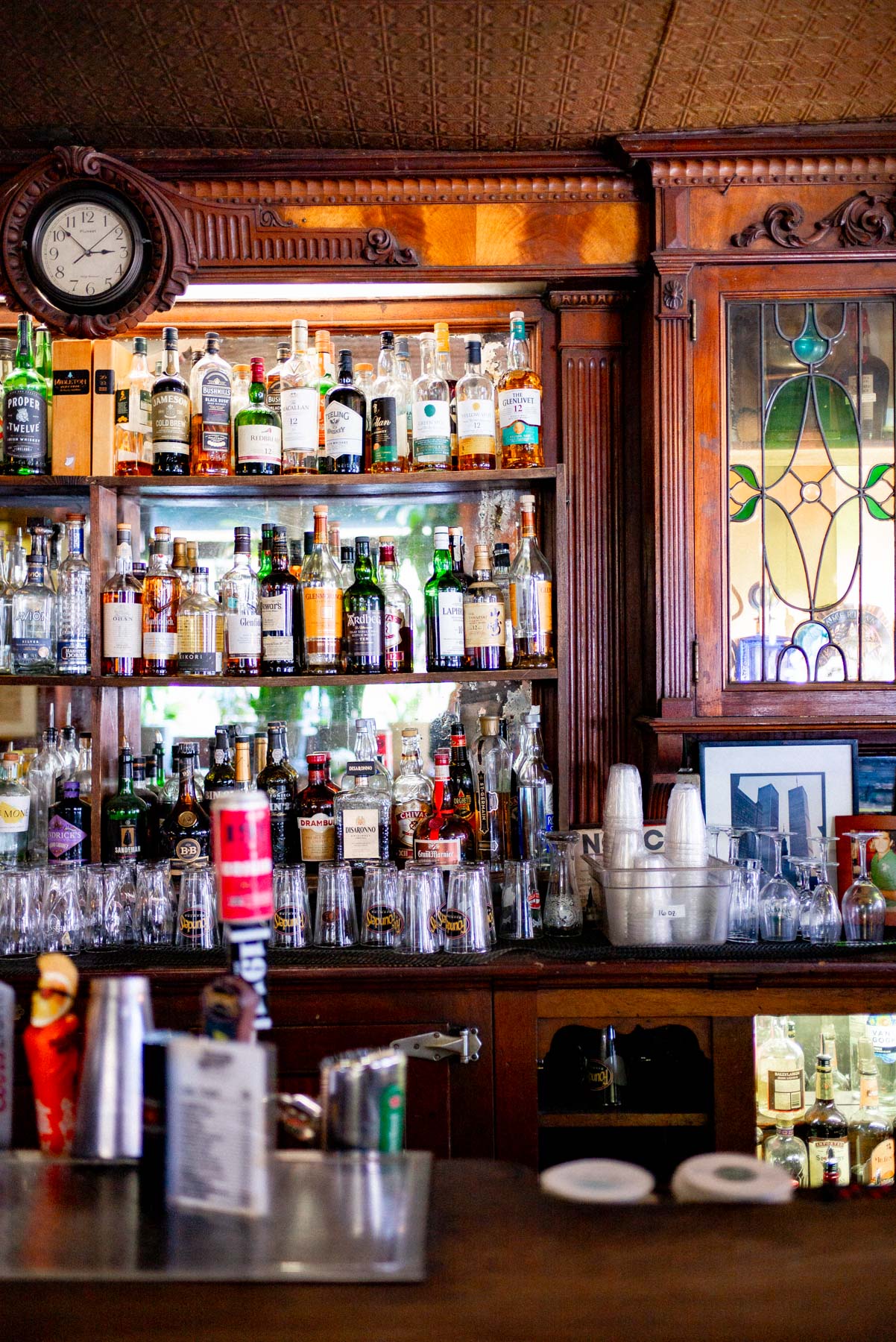 spork-Chelsea-1007773.jpg
Chelsea
So where would I put my $2,500?
If you’d handed me $2,500 and made me choose today, knowing everything I know now after our six years here, I’d take a one-bedroom in Sunnyside without much hesitation. Real bedroom, 700 square feet, twenty minutes to Grand Central on the 7, and enough left in the neighborhood budget that I’m not eating rice for the back half of every month. It’s the least sexy answer and the most correct one.
If I wanted to feel more like I lived in “New York” New York, capital letters, I’d take Prospect-Lefferts Gardens for the pre-war beauty or Central Harlem for the Manhattan address, and I’d make peace with a little less square footage.
And if I were 24 again and space came dead last behind being in the middle of everything, I’d cram into a small place in Astoria or the Lower East Side and spend as little time in it as humanly possible. There’s a season for that too. I don’t regret mine. For a sense of what each pocket of the city actually feels like to live in, my honest guide to NYC neighborhoods walks the whole map without the real-estate-listing gloss.
 dumbo-waterfront-manhattan-view.jpg
Glide at Brooklyn Bridge Park · DUMBO
The apartment with the bathtub in the kitchen, for the record, rented in three days. Somebody wanted the Lower East Side badly enough. That’s the whole city in one sentence, really. Everything here is a trade, and the only wrong move is not knowing which one you’re making.
Run your own four-way math before you sign anything. Space, commute, energy, the apartment itself. Pick your two on purpose. And whatever you do, walk the block at night before you commit, because the listing photos never tell you what 9pm feels like. That LES studio, by the way, is exactly the kind of place I get into in my Lower East Side guide, a neighborhood I love far more as a resident than any listing price would suggest.
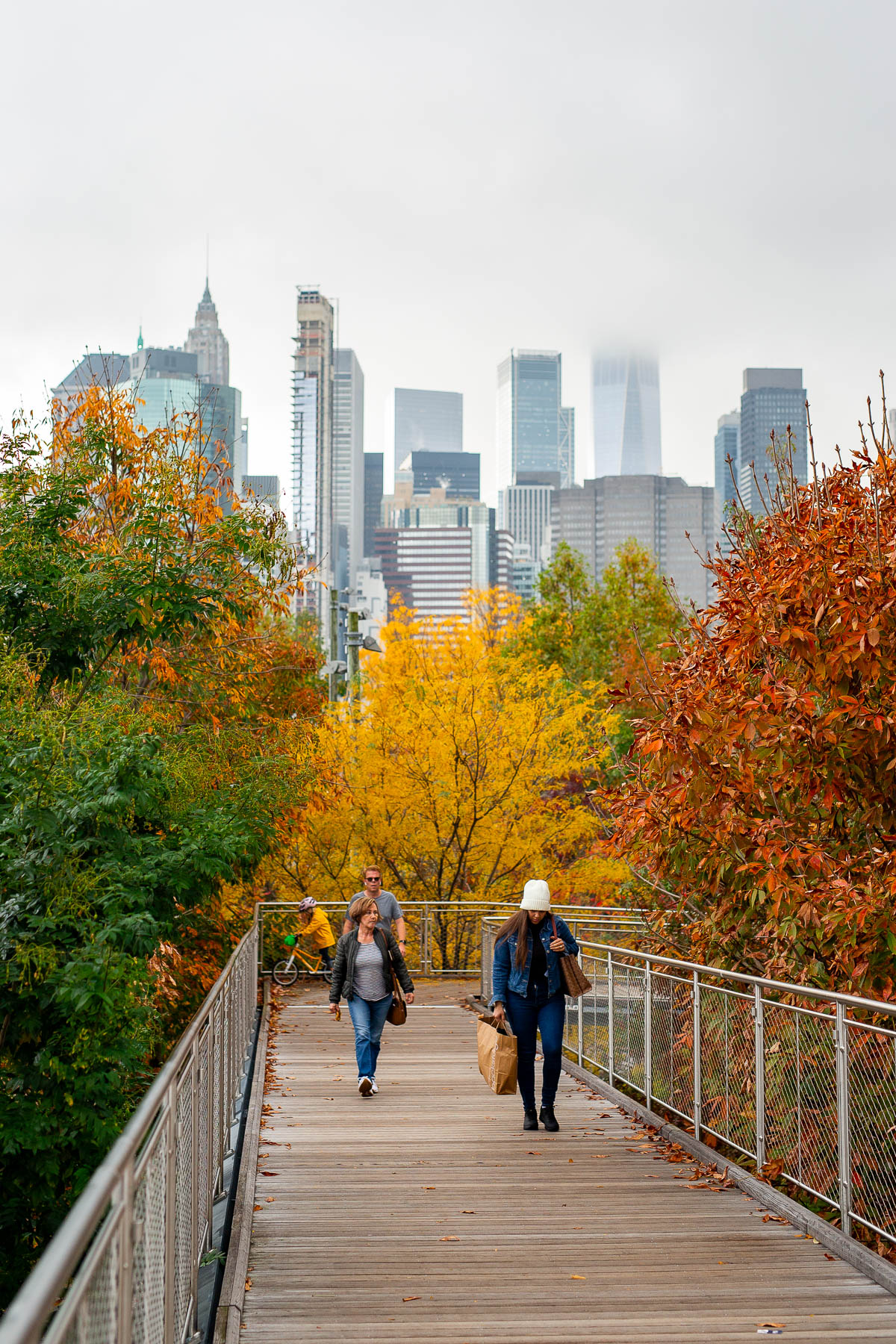 brooklyn-bridge-park-fall.jpg
Brooklyn Bridge Park · Brooklyn Heights
Which neighborhood am I underrating? Tell me where your $2,500 actually landed you. I collect these stories.
Pick your two, and mean it,
Antonina