

For my first three years in New York, I bought a 30-day unlimited MetroCard on the first of every month like it was rent. It was the one number I never questioned. Then one December the machine ate my card at Bedford Avenue, I did the math while I waited for a new one, and I realized I had been overpaying for the better part of a decade. My husband and I sat down that night with a spreadsheet and two glasses of wine, and what we found genuinely annoyed me.
The unlimited was never the automatic win everybody treated it as. It was a bet, and for two people who worked from home half the week, it was a bet we kept losing. So this is the honest ledger. What commuting in this city actually costs in 2026, where I was bleeding money without noticing, and the three changes that cut my transit spending by more than a third.
The Fare That Changed Everything (Quietly)
Most people missed this while they were busy complaining about the price going up. In January 2026 the base subway and local bus fare rose to $3.00, from $2.90. Small. Barely worth a headline. But at the same time the MTA finished killing off the MetroCard, and with it, the 7-day and 30-day unlimited passes. Gone. You cannot buy a monthly unlimited anymore. That is the part that actually reshaped how I pay to get around.
In their place is OMNY, the tap-to-pay system, and its weekly fare cap. And the cap is the whole game now. Once you tap and pay for 12 rides in a rolling seven-day period, every ride after that for the rest of those seven days is free. The most you will ever pay in a week for local subway and bus is $35. Reduced-fare riders top out at $17.50.
Read that again, because it took me a full month to internalize it. There is no card to buy in advance. No commitment. You just tap your phone or your credit card, and the system quietly stops charging you once you have earned your unlimited week. The bet is gone. The math does it for you.
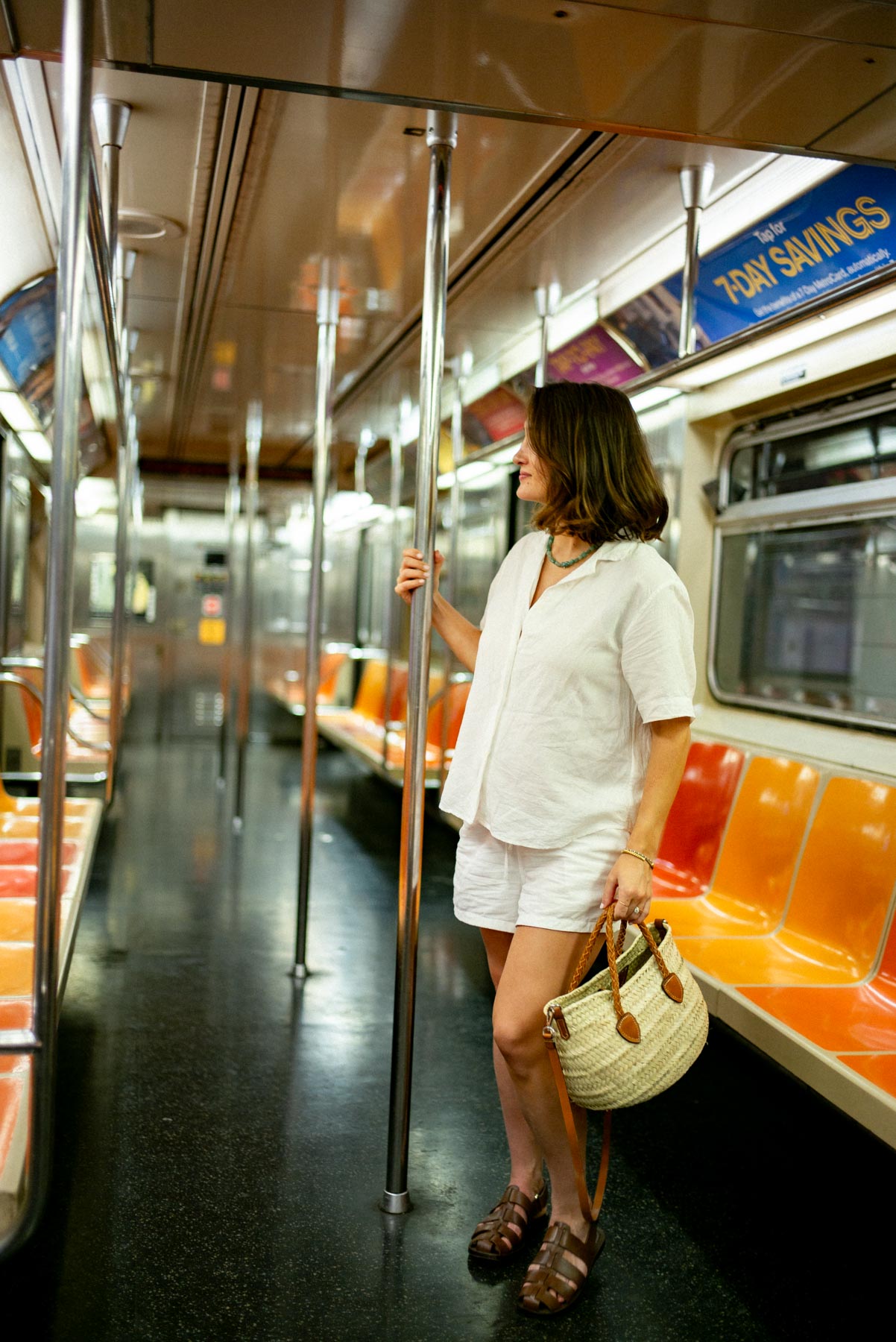 Subway-1004850.jpg
The Old Unlimited Math (And Why It Was a Trap for Me)
Let me show you the trap I was in for years. The old 30-day unlimited MetroCard, back when it existed, ran around $132. To break even on it you needed to take roughly 46 rides a month. That is about 23 round trips. Sounds easy if you commute five days a week to an office.
But I did not. I worked from home Tuesdays and Fridays, sometimes Wednesdays. My real week was three commutes, a couple of evening trips, a weekend outing or two. Call it 30 rides in a good month, fewer in a slow one. I was paying for 46 and using 30. Every single month I was donating the MTA the price of a nice dinner and never noticing, because the payment happened once and then disappeared from my mind.
That is the psychology of the unlimited. It feels frugal. It removes the little sting of tapping and watching money leave. But that sting is information, and I had paid $132 to silence it.
 grand-central-station-nyc-1003281.jpg
Grand Central Terminal · Midtown East
What It Actually Costs Now, Ride by Ride
So here is my real 2026 ledger, the way I now track it. A single ride is $3.00. A round-trip commute day is $6.00. In a five-day office week that is $30.00, which slides right under the $35 cap, and if I add even a couple of evening or weekend trips, I hit 12 rides and the rest of the week is free. On those weeks the cap works exactly the way a monthly unlimited used to, except I never had to guess in advance.
On my actual hybrid weeks, though, the numbers look completely different. Three commute days is 6 rides, $18.00. Throw in a Saturday round trip and a solo errand and I am at maybe 9 rides, $27.00. I never hit the cap, so I never overpay for the cap. Some quiet weeks I have spent as little as $15 on transit. That would have been unthinkable when I was auto-buying the monthly.
One catch. If your week is genuinely five days in an office plus a real social life, you will blow past 12 rides fast and the cap becomes your best friend. The system rewards heavy riders and light riders in different ways. It only punishes the people who used to buy unlimited “just in case” and rode 30 times. That was me. Do not be who I was.
 Subway-1002306.jpg
The Paper Ticket Tax (Skip It)
Quick honest downside, because not everything about this system is generous. If you buy a paper single-ride ticket from a machine instead of tapping, it costs $3.50, not $3.00. That fifty-cent gap is a tax on tourists and on anyone who has not set up OMNY. And paper single rides do not count toward your weekly cap at all. So if you tap paper tickets all week, you will never earn a free ride no matter how much you spend.
What to do instead. Tap your actual credit card or your phone, or get a physical OMNY card and always use the same one so the system can count your rides toward the cap. The OMNY card itself now carries a small fee, around $2, but you make that back the first week you brush against the cap. Whatever you do, use one consistent payment method. Split your rides across three different cards and the system sees three different riders, none of whom ever reaches 12. I found that out over exactly one confusing week.
When the Express Bus Makes Sense (And When It Doesn’t)
If you live out in the deeper reaches of Queens, Staten Island, or the eastern Bronx, the express bus is its own universe with its own cap. Those rides run more per trip and they sit under a separate weekly ceiling of $67 for unlimited express, local, and subway travel combined. For most Manhattan and inner-Brooklyn commuters, that cap is irrelevant, you will never come near it. But for a Staten Island friend of mine who takes the express into Midtown daily, that $67 cap is the single best deal in her budget, and she would tell you the same.
The honest read. Do not opt into express bus math unless the geography forces you to. For most of us the local $35 cap is the ceiling that matters, and chasing the express cap is solving a problem you do not have.
 Governors-Island-Bike-1000233.jpg
Governors Island · Governors Island
When a Bike Genuinely Beats the Train
Now the part I did not expect to write. For a stretch of my commute, the bike won outright, and not on cost alone.
Citi Bike raised its annual membership to $239 in 2026. That sounds like a lot next to a $35 transit week until you break it down. $239 a year is about $20 a month, or roughly $4.60 a week. If you ride a classic bike inside the included time, that is your whole cost. For a short, flat, bridge-friendly trip, a Citi Bike membership is dramatically cheaper than tapping onto the subway twice a day.
My husband and I tested this on the exact commute that used to make me want to move. The B train across the Manhattan Bridge in the morning was reliably a sardine can, and half the time I still walked ten minutes on either end. On a classic Citi Bike over the Manhattan Bridge bike path, door to door, it was faster, it was free within my membership, and I arrived in a better mood than the train ever delivered. For that specific trip, roughly two flat miles with a real bike lane the whole way, the bike is not a compromise. It is the upgrade.
Here is the honest catch, and it is a real one. The e-bikes are where Citi Bike gets you. Even as a member you pay by the minute on an e-bike, around $0.27 a minute in the city, and non-members pay about $0.41 a minute. A twenty-minute e-bike ride can quietly cost more than a subway swipe. I love an e-bike up a hill in July when I do not want to arrive sweating. I do not love the bill when I grab one out of laziness on a flat route I could have pedaled for free. The membership is the deal. The per-minute e-bike is the impulse buy.
And bikes are not year-round for me. January on the Manhattan Bridge in a headwind is a different sport, and I will happily pay $3.00 to sit inside a warm train. The bike wins spring through fall, on flat trips, in decent weather. It is a tool, not a religion. If you are still weighing whether you can live here without a car at all, I got into that whole question in my piece on whether you actually need a car in NYC, and the short version is no, but transit strategy is how you make that “no” comfortable.
 brooklyn-bridge-walkway.jpg
Brooklyn Bridge · DUMBO
The Walk I Stopped Counting as a Commute
The cheapest transit change I made cost nothing. I started walking the trips I used to reflexively tap for.
When I lived a mile from my old office, I took the train because that is what you do. One spring I started walking it instead, over the Brooklyn Bridge on the good days, and I never went back. A mile in Manhattan is fifteen to twenty minutes on foot and often the same fifteen to twenty minutes once you count stairs, waiting, and the walk on either end of the train. Except walking is free, it is exercise I would otherwise skip, and the Brooklyn Bridge at 7:30 in the morning before the tour groups arrive is one of the genuine pleasures of living here.
I am not going to pretend every commute is walkable. Mine mostly is because of where we chose to live, and that choice was deliberate. If you are picking a neighborhood right now, walkability to your daily anchors is worth more to your transit budget than any fare hack. I wish someone had told me that before I signed my first lease. I wrote up the rest of what I wish I had known in what nobody tells you before you sign a NYC lease, and commute distance is near the top of that list.
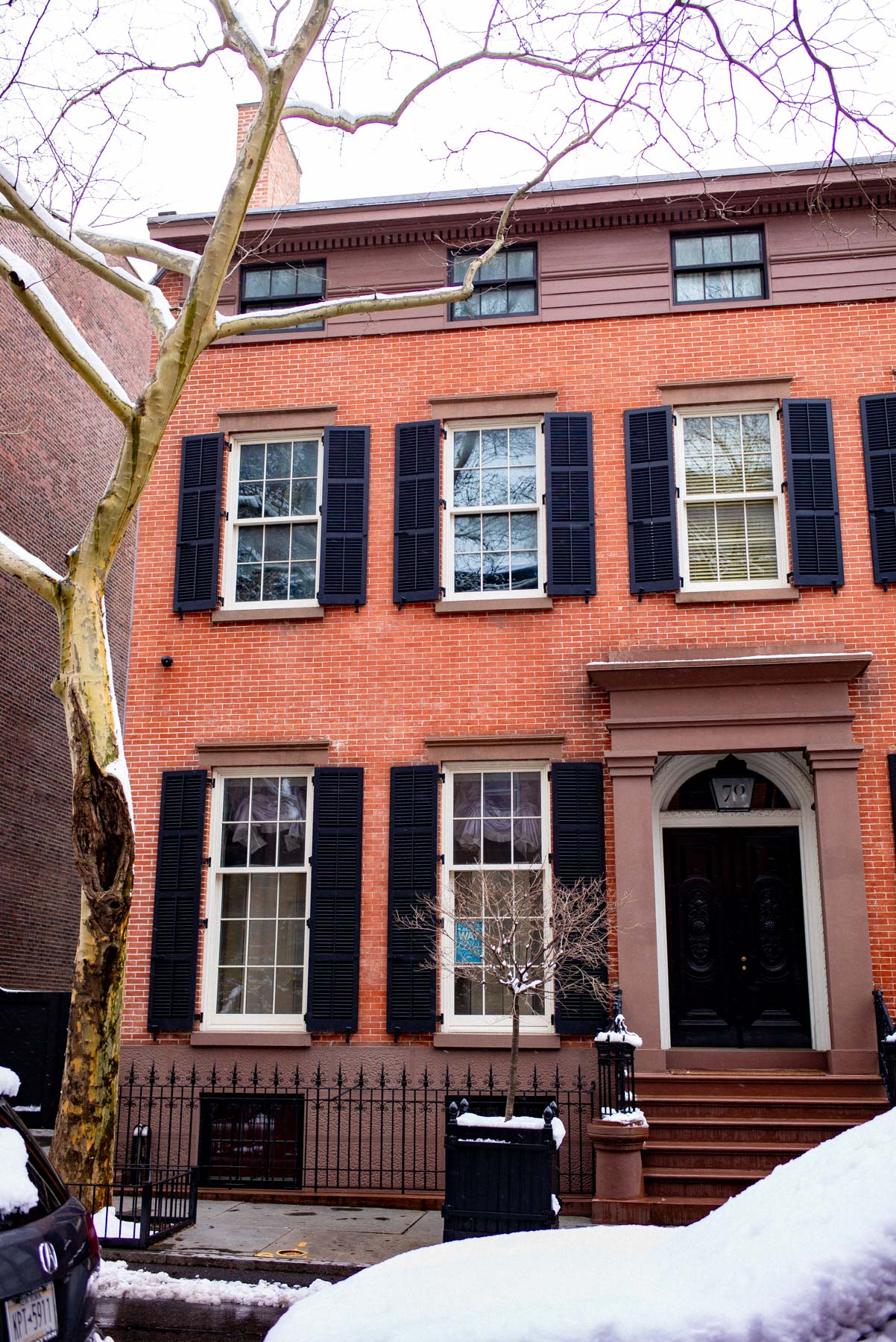 brooklyn-heights-promenade.jpg
Brooklyn Heights
My Real Monthly Transit Ledger, 2026
Let me put actual numbers on a normal month, the way my husband and I track it now. On a light month, mostly hybrid work with a lot of walking and a few bike weeks, my transit runs $80 to $95 across subway taps and a share of the Citi Bike membership. On a heavy month, more office days, more evenings out, a couple of weeks where I hit the $35 cap outright, it lands around $140. Compare that to the old world where I paid $132 flat every single month whether I rode 46 times or 22.
Averaged across a year, dropping the reflex monthly pass, tapping consistently to earn the cap, biking the flat stretches, and walking the short ones cut my transit spending by more than a third. Not with a coupon or a hack. Just by paying attention to a cost I had trained myself to ignore. If you want to see how this line fits into the bigger picture, I broke down every category in what it actually costs to live in NYC in 2026, and transit is one of the few lines you can genuinely shrink.
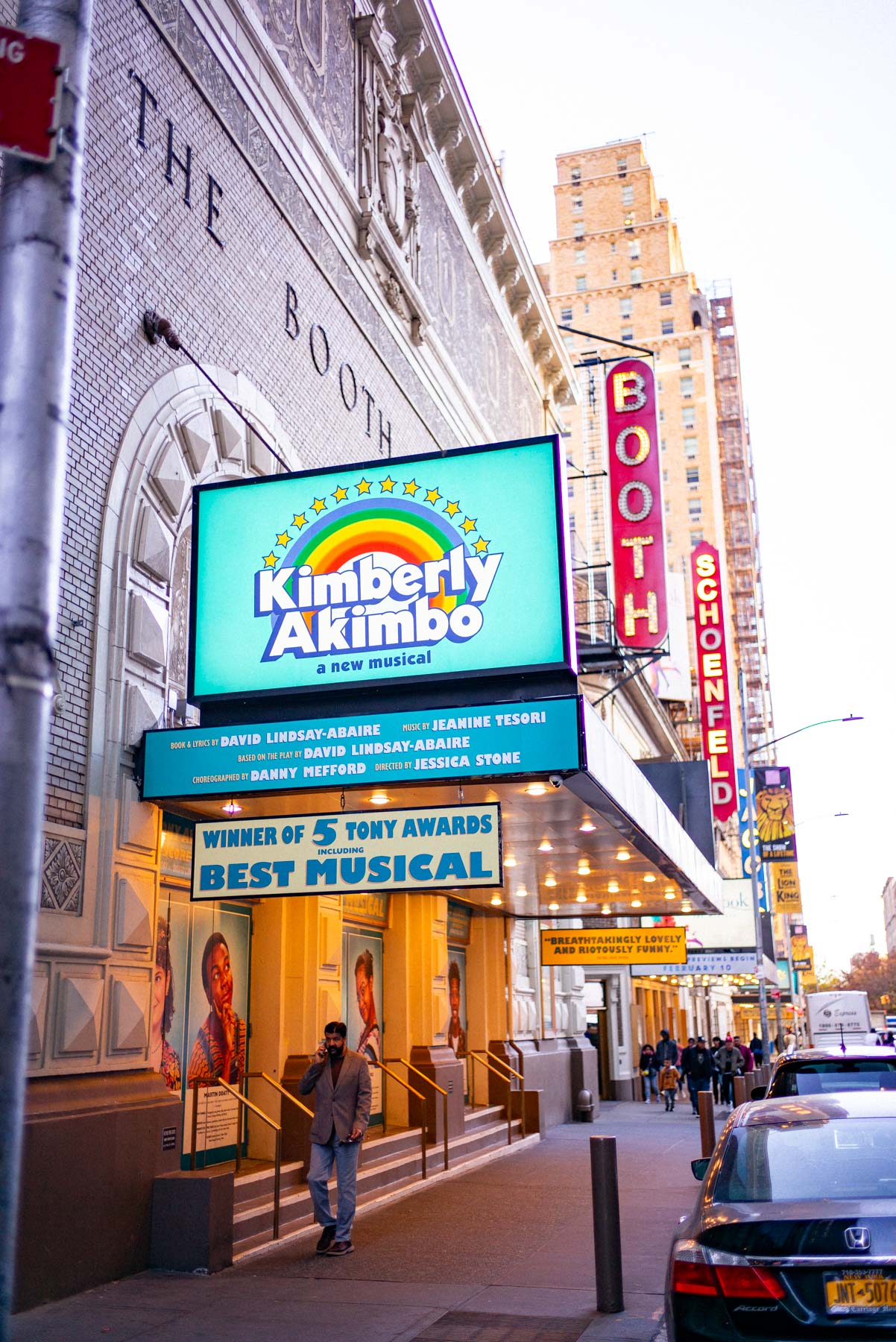 nyc-1003857.jpg
Booth Theatre · Theater District
The Short Version, If You Skimmed
Stop buying commitment. The monthly unlimited is dead and the OMNY weekly cap does its job automatically, capping you at $35 for local subway and bus without you buying anything in advance. Tap one consistent card or phone so your rides count toward the cap. Skip the $3.50 paper single ride. Get a $239 Citi Bike membership only if you have a flat, bike-lane-friendly trip you will actually take, and treat the per-minute e-bikes as the splurge they are. Walk the trips under a mile. And if you are still deciding where to plant yourself, weigh walkability like it is money, because it is. I got into the neighborhood side of that in my honest take on Manhattan versus Brooklyn right now.
None of this is glamorous. It is a spreadsheet and a little attention. But it is the difference between a commute that quietly drains you and one you barely think about, which, after living here this long, is the version I will take.
Which trips do you still take the train for that you could probably walk? Tell me I am wrong about the Manhattan Bridge in January. I have thick gloves and a stubborn streak.
Catch you on the bridge,
Antonina